HMRC threatens bogus penalties
Correspondence from HMRC suggests there's a penalty if you don't pay your self-assessment tax bill by Saturday, 31 January. This isn't strictly true, but what are your options if you can't pay on time?
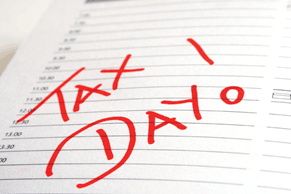
If you're signed up to receive reminders from HMRC about self-assessment, you'll have received several texts and/or emails about the filing and payment deadline, which is 31 January (this Saturday). The reminders may be helpful for some, but the scaremongering tactics are not. The most recent text begins with "Remember to pay by 31 January to avoid a penalty". Whilst the payment deadline is 31 January, it simply isn't true that you'll be charged a penalty if you don't pay on time. Whilst we don't advise missing the deadline, the fact is late payment penalties don't kick in until you're 30 days late as stated online.
However, you will be charged late payment interest, at 7.75% per annum. As far as interest rates go, this is eye-wateringly high, but if you need a few days to make the payment it isn't likely to break the bank. For example, if your tax bill is £3,000, the late payment interest charge is less than £4.50 per week.
If you're in real financial difficulty you should contact HMRC as soon as possible to agree a payment plan.
Related Topics
-
Deadline to pay Class 1B NI
-
Company owners' personal tax affairs under scrutiny
Company owners are being urged to check their personal tax affairs as a new compliance campaign focuses on transactions between limited companies and the people who control them. Loans, personal expenses and the use of company assets are among the areas attracting attention. Could you have overlooked a tax liability?
-
HMRC speeds up National Insurance refunds
HMRC has confirmed that it is using a new automated process to speed up National Insurance refunds. Where its records suggest that someone may have overpaid, HMRC will write to them asking them to check their employment and contribution details before any refund is processed. Could you be due money back?