Paper filing date approaching fast
The standard filing date for a personal tax return is 31 January. However, if you submit paper returns you need to do it earlier. What is the paper filing date, and how can HMRC’s new videos help if you need to remove yourself from self-assessment?
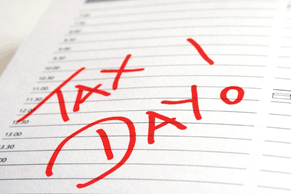
Currently, the self-assessment system is mainly processed in arrears, i.e. returns and payments are due after the end of the tax year. Most taxpayers have a filing deadline of 31 January after the end of the relevant tax year, so have almost ten months to gather and report their information. However, if you complete a paper return you only get until 31 October. You therefore have less than two weeks to get the return to HMRC.
Before you do, you may want to review your circumstances to see if you still need to be in self-assessment at all. For example, if you have ceased a claim to child benefit due to the high income child benefit charge, or were self-employed but have ceased trading. HMRC has published two videos explaining how to withdraw online, one for self-employed and one for others.
Related Topics
-
Deadline to notify HMRC that you have a tax liability
-
Payment deadline for corporation tax
-
HMRC targets undeclared consultancy income in the medical sector
HMRC is writing to people working in the medical sector where information supplied by private healthcare providers suggests that consultancy fees may have been omitted from their tax returns. Recipients have 30 days to check their position and respond. What should you do if you get a letter?